

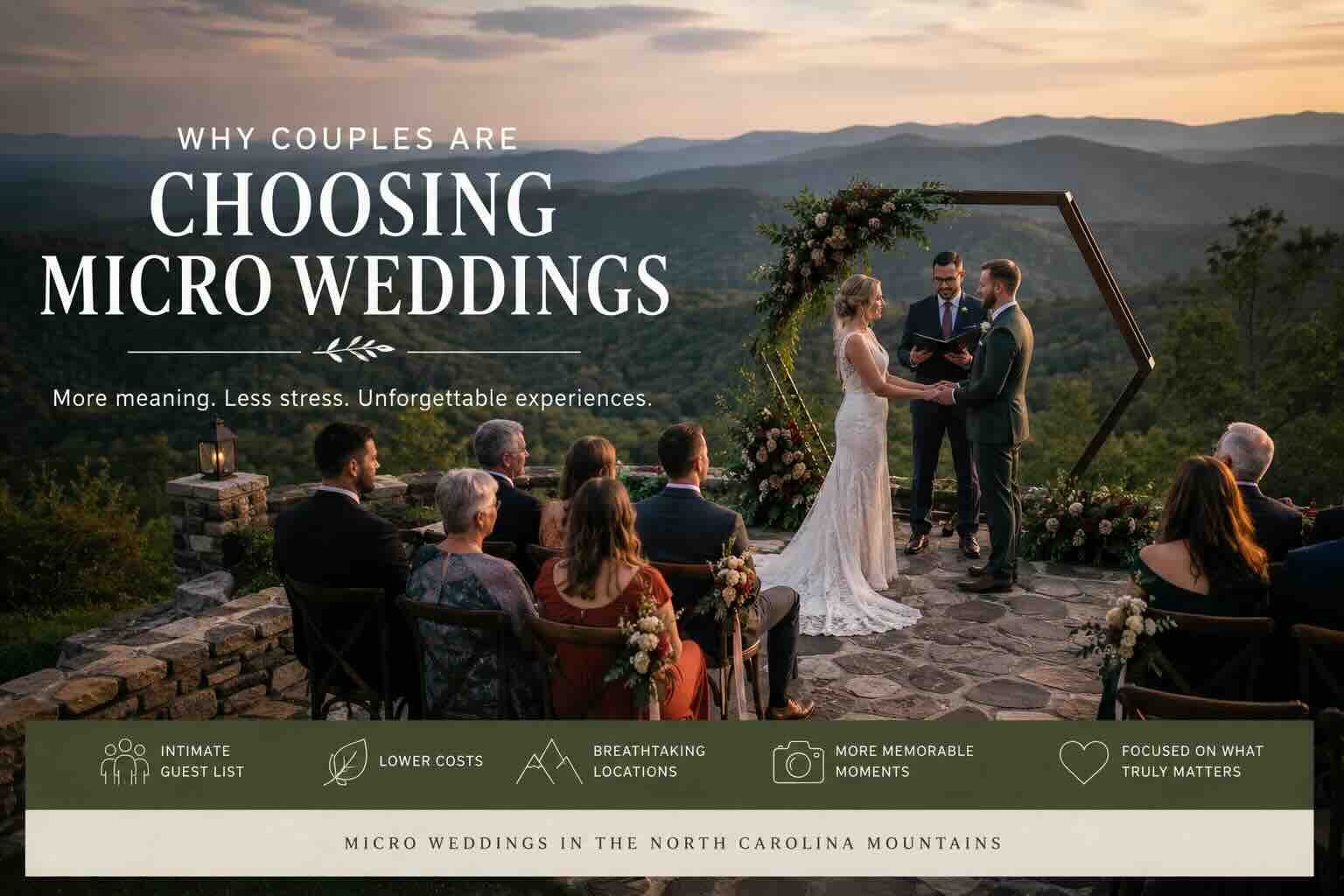
That shift changes everything downstream. Venue options open up. Logistics simplify. The day moves at a human pace instead of a production schedule. And for most couples who’ve gone through it, that’s exactly the point.
Here’s how micro wedding planning actually works, and what to focus on at each stage.
What Makes Micro Wedding Planning Different
Traditional wedding planning is largely a logistics problem. Coordinating 150 guests, a dozen vendors, catering for 200, transportation, seating arrangements, and a schedule tight enough to keep everything from unraveling requires months of management and a budget to match.
Micro wedding planning removes most of that. With a small guest count, the coordination burden drops dramatically. You’re not managing a crowd — you’re hosting your closest people. That distinction touches every decision you’ll make, from venue size to how the day actually feels.
The other difference is in where the experience comes from. Large weddings need elaborate decoration and production to create atmosphere for a crowd. Micro weddings can lean on setting instead — the right venue does the design work without requiring a production budget to pull it off.
Step 1: Set Your Guest Count and Hold It
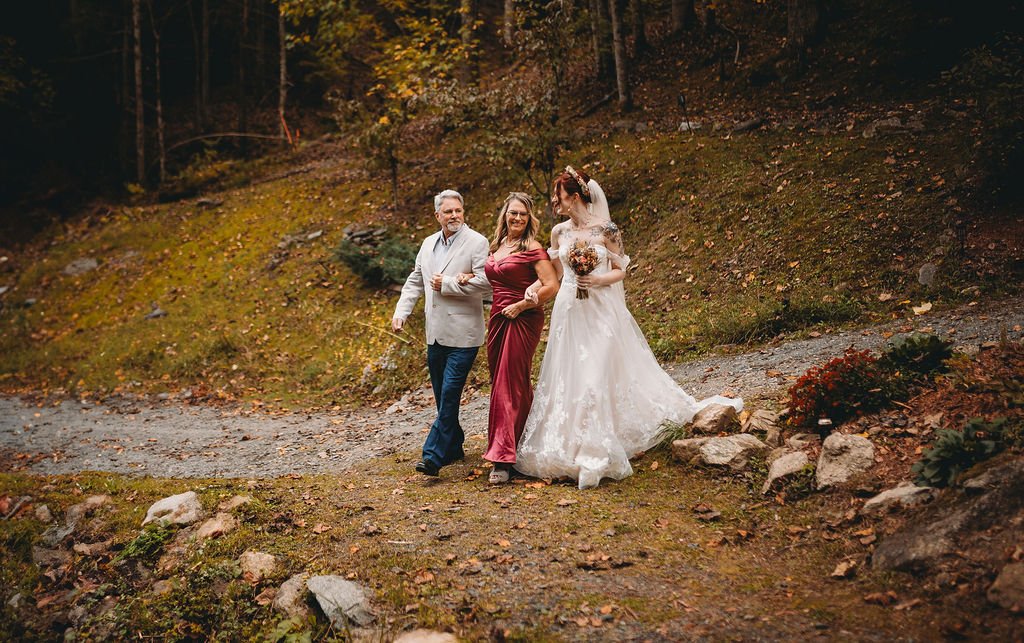
The first real decision in micro wedding planning is your guest count — and it’s worth making deliberately. The number you choose determines which venues are available, what vendors you need, and what the day actually feels like.
Micro weddings typically run between 10 and 50 guests. Below 10, you’re moving into elopement territory, which is a genuinely different experience with its own advantages. Above 50, you start picking up the logistical complexity that micro wedding planning is specifically designed to avoid.
Set the number early and treat it as a boundary, not a starting point. Guest lists expand naturally once planning begins, and every addition has downstream effects on venue size, catering, and the intimacy of the experience itself.
Step 2: Choose a Venue That Creates the Atmosphere
In micro wedding planning, venue selection carries more weight than any other single decision. The right venue creates the experience. The wrong one puts pressure back on decoration, vendors, and logistics to fill a gap that a better setting would have eliminated.
For couples planning a micro wedding in NC, western North Carolina offers a specific advantage: natural settings that generate atmosphere on their own. Waterfall venues, forest clearings, and creekside ceremony spaces deliver something that rented ballrooms can’t — an environment that already feels like something before a single flower arrangement arrives.
Private land venues also solve one of the less obvious problems in micro wedding planning: sharing your setting with strangers. A public park means managing around other visitors on your wedding day. A private property means the place is yours.
If you’re exploring ceremony settings specifically, our guide to waterfall weddings and intimate ceremonies covers what makes these settings work so well for micro weddings.
Step 3: Keep Your Vendor List Short
One of the most practical advantages of micro wedding planning is how far the vendor list shrinks. Traditional weddings routinely involve 10 to 12 independent vendors. A well-planned micro wedding runs on three: photographer, officiant, and venue.
Optional additions depending on what matters to you: florals, hair and makeup, a small catering arrangement, day-of coordination. All-inclusive packages bundle most of these into a single experience — one contract, one team that already knows each other and knows the property. For couples planning from out of state, that simplicity matters more than most people expect going in.
The vendors who produce the best results for micro weddings are the ones who’ve worked together before. A photographer who knows the property will find light and angles that someone encountering it for the first time won’t. An officiant familiar with the ceremony sites will move through the day without hesitation.
A ceremony at Weddings Over Waterfalls, Hot Springs NC
Step 4: Build a Simple Timeline
Micro wedding planning doesn’t require a rigid schedule — and it shouldn’t. The day moves naturally when the guest count is small and the logistics are stripped down. A simple four-part structure is usually all you need:
- Arrival and getting ready — unhurried, with time to settle into the setting
- Ceremony — at the location you’ve chosen, at a pace that feels right
- Photography — ideally with a photographer who knows the property
- Dinner or shared meal — relaxed, without a production clock driving it
Couples who arrive the night before consistently describe it as the best planning decision they made. Walking the ceremony location, getting familiar with the property, waking up on the wedding morning already present rather than still orienting — it changes the quality of the whole day.
What Micro Wedding Planning Costs in NC
Costs in micro wedding planning vary based on what you include, but the range is substantially lower than a traditional wedding. NC weddings with 100+ guests typically run $30,000–$40,000. A well-planned micro wedding can deliver a complete, emotionally meaningful experience at a fraction of that.
At Weddings Over Waterfalls in Hot Springs, NC:
- Venue-only elopements start at $250 (2–10 guests, 90-minute ceremony)
- Venue-only micro weddings start at $3,000 (up to 30 guests)
- All-inclusive elopement packages start at $1,775 (photography, officiant, florals, coordination, cake, hair and makeup)
- All-inclusive micro wedding packages start at $7,750 (up to 30 guests, full catering included)
The full pricing page covers what’s included at each level. For a closer look at how costs compare, the guide to small wedding vs. traditional wedding cost breaks down the numbers in detail.
Why NC Works So Well for Micro Wedding Planning
North Carolina gives micro wedding planning a specific geographic advantage. Western NC — the mountains around Asheville, Hot Springs, and the broader Blue Ridge region — combines private land venues, natural scenery, outdoor ceremony options, and a destination-level atmosphere within a manageable drive from most of the Southeast.
The region has become a consistent draw for couples who want their wedding to feel like a retreat rather than a production. The setting does what a ballroom can’t: it creates a complete sensory environment before the first vendor arrives.
More specifically, Asheville and Hot Springs have emerged as strong destinations for intimate weddings because the layered mountain landscape, the privacy of rural properties, and the general unhurriedness of the region all reinforce what micro wedding planning is trying to accomplish in the first place.
For couples still comparing venue options, our guide to small wedding venues near Asheville NC covers what to look for when the experience matters as much as the location.
Micro Wedding Planning at Weddings Over Waterfalls
If a private waterfall property in the NC mountains fits what you’re looking for, Weddings Over Waterfalls in Hot Springs offers venue-only and all-inclusive packages built specifically for micro weddings and elopements — about an hour from Asheville, accessible from three regional airports.
Check availability or view full pricing and package details.
Not Getting Married Here? You Can Still Experience It
Even if you choose a different venue, you can still experience the waterfalls, forest, and privacy of the property through a stay at Windows Over Waterfalls.
Plan a Romantic Getaway Instead
Airbnb designates this as a top 10% home — their designation, not ours · Guest Favorite · Superhost
What Airbnb Guests Are Saying
★ 4.97
254 Five-Star Reviews
Read the reviews there, then book direct here and skip Airbnb’s guest service fee.
As of October 2026 — and still growing.