

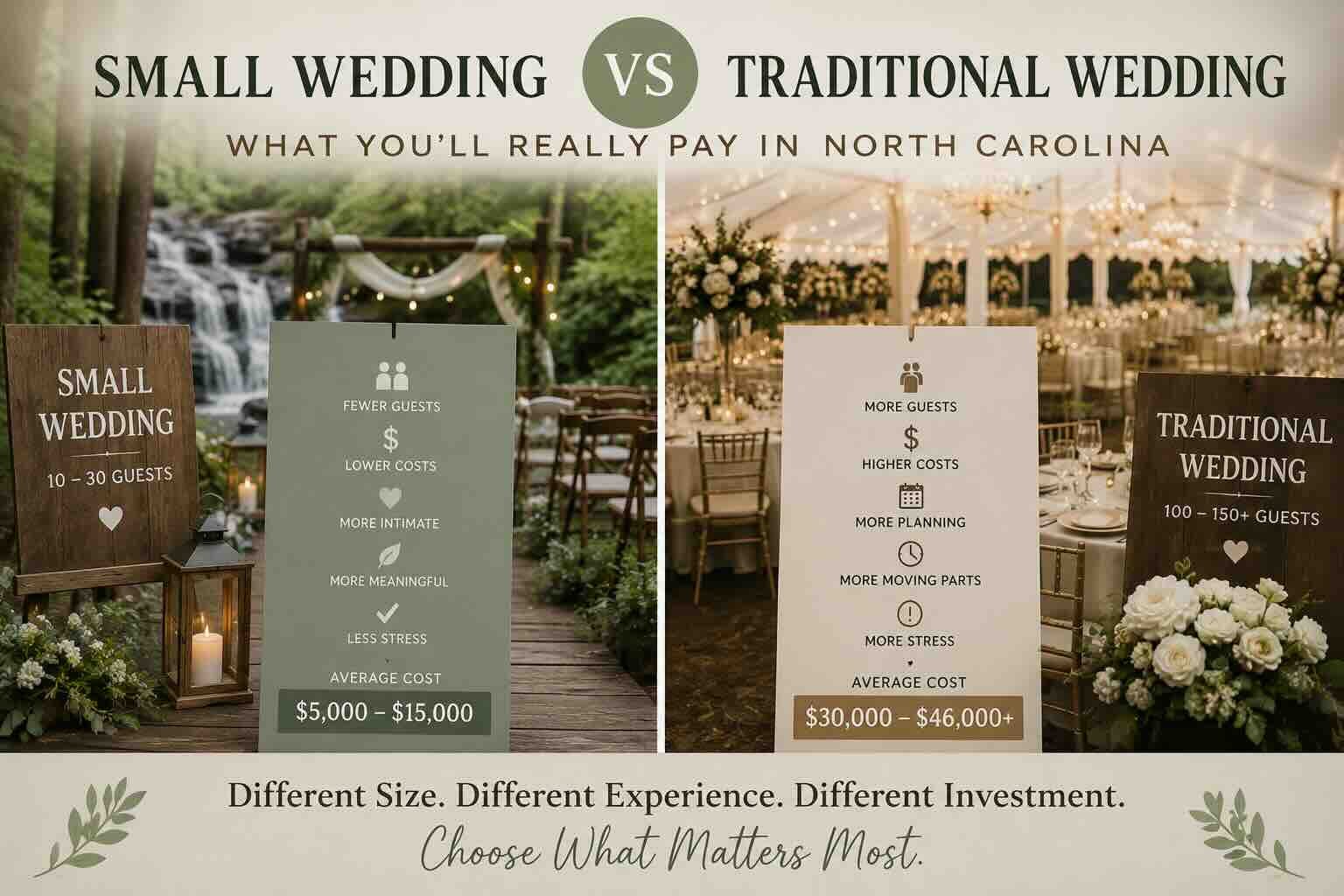
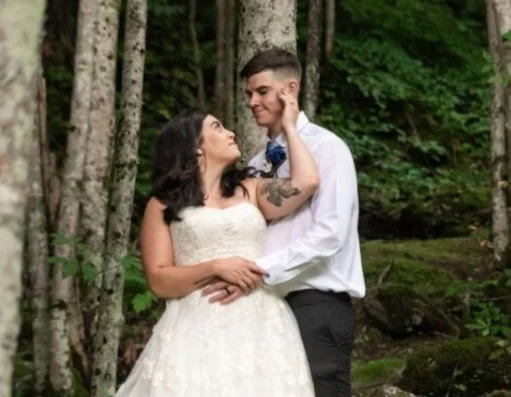
The difference between small wedding vs traditional wedding cost is rarely one line item. It’s the way every expense multiplies once the guest list grows — and the way a smaller list quietly resets nearly every category at once.
A traditional wedding can be beautiful, meaningful, and worth every dollar for the right couple. But it usually comes with a much larger financial structure: a bigger venue, more food, more rentals, more staffing, more coordination, more of nearly everything. A small wedding opens a different path — one where the budget can stay focused, or be redirected toward a more deliberate, unhurried experience.
National numbers stay high. Zola puts the average wedding around $36,000 for 2026, and WeddingWire reports most couples spending close to $30,000 on the ceremony and reception. Those figures are one reason more couples are weighing micro weddings, intimate ceremonies, and smaller destination celebrations. For a closer look at one specific size, our guide to micro wedding cost in North Carolina is a good place to start.
Planning a small wedding on a budget? Our private waterfall venue in Hot Springs, NC starts at $250 for a venue-only elopement and $3,000 for a venue-only small wedding. All-inclusive packages start at $1,775 for elopements. See our packages under $5,000 or view full pricing. Lodging is booked separately, with a 2-night minimum through Windows Over Waterfalls.
What Counts as a Small Wedding?
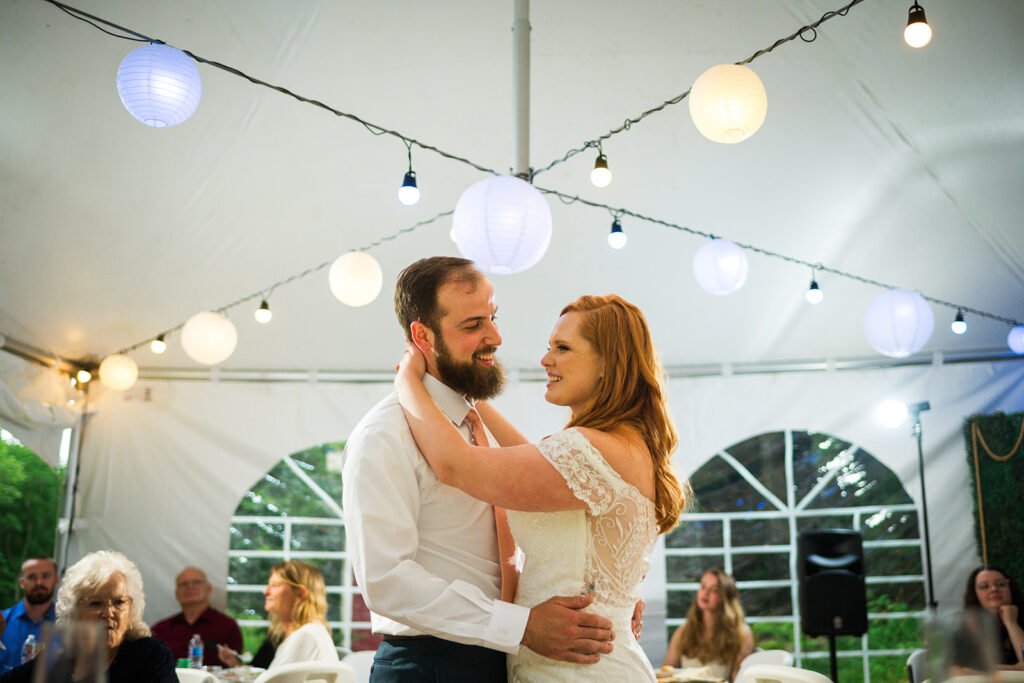 A small wedding generally means fewer than 50 guests. A micro wedding is smaller still — often 10 to 30 people. A traditional wedding typically runs 75, 100, or 150 guests or more.
The difference isn’t only scale. A small wedding tends to have a different quality — more relaxed, more personal, easier to shape around what the couple actually wants. A traditional wedding often feels more like a large hosted event, with more expectations built in and more logistical weight behind it. Neither is automatically better. The right choice comes down to budget, personality, family dynamics, and how you want the day to feel.
Small Wedding vs. Traditional Wedding Cost at a Glance
A small wedding in North Carolina can run anywhere from $4,000 to $25,000 or more. A traditional wedding commonly lands between $25,000 and $50,000 or higher. Here’s a rough picture of how small wedding vs traditional wedding cost breaks down by tier:
- Simple small wedding: $4,000 to $8,000
- Mid-range small wedding: $8,000 to $15,000
- Higher-end small wedding: $15,000 to $25,000+
- Traditional wedding: $25,000 to $50,000+
The ranges are wide, but the pattern holds: a smaller guest count gives couples more control over where the money actually goes.
Why Guest Count Drives the Difference
Guest count is the single most powerful cost factor in any wedding — and its reach goes further than most couples expect. Every additional guest affects meals, drinks, seating, linens, staffing, coordination, parking, and cleanup. A wedding for 20 people and a wedding for 120 people aren’t simply different versions of the same event. They’re different planning projects entirely.
That compounding effect is what makes the small wedding vs traditional wedding cost gap so significant. It’s not that one category costs dramatically less. It’s that every category costs less, and the savings stack. For a specific example of what a single guest count looks like when fully priced out, read our guide to 20 person wedding cost in North Carolina.
Venue Cost: Small Wedding vs. Traditional Wedding
Traditional weddings often require venues with space for a ceremony, cocktail hour, dinner, dancing, vendor setup, guest parking, restrooms, and a weather contingency. That scale tends to push venue fees considerably higher.
Smaller weddings open up different options — private properties, mountain venues, intimate outdoor spaces, small gardens, or scenic ceremony sites that don’t work for large headcounts. That doesn’t mean every small wedding venue is inexpensive. A private, well-situated venue can still cost several thousand dollars. But couples are usually paying for privacy, setting, and experience rather than raw capacity. You can compare venue-only and package options on our wedding pricing page.
Catering: Where the Difference Is Most Visible
Catering is where the small wedding vs traditional wedding cost gap shows up most clearly. Feeding 25 guests is simply not the same as feeding 125 — in volume, staffing, service structure, or total spend.
A traditional wedding usually requires formal catering, larger food quantities, more service staff, bartending, and a longer breakdown. A small wedding can work with drop-off catering, family-style dining, a private chef, a grazing table, or a restaurant dinner after the ceremony. Instead of spreading the food budget across a large crowd, couples can choose a smaller, better, more personal meal — often spending less overall even while spending more per person.
Photography: Still Worth the Investment
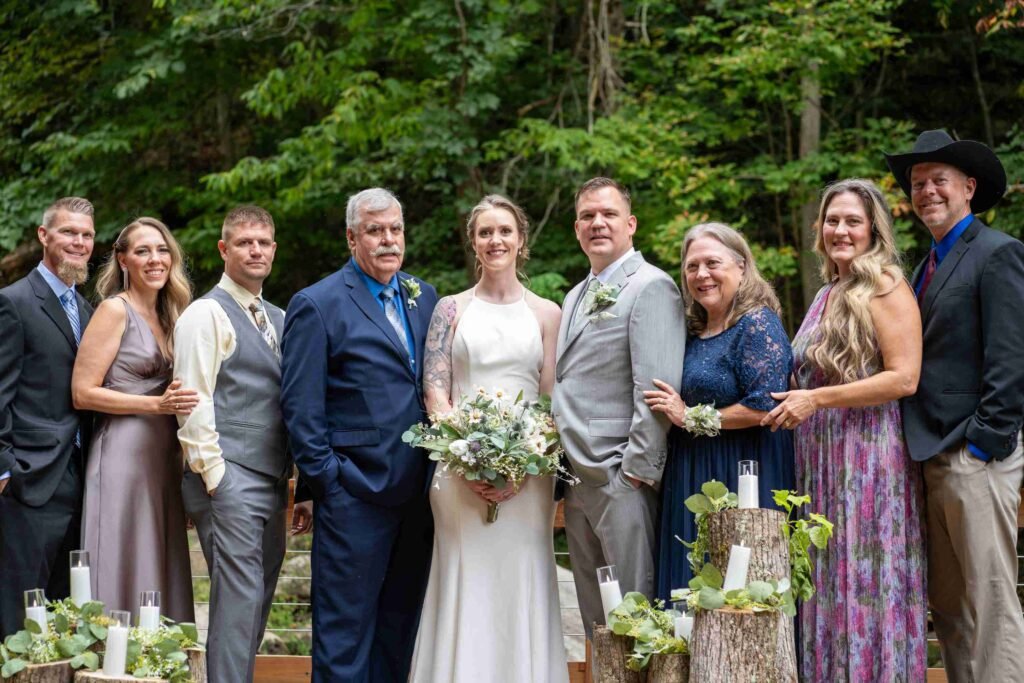 Photography matters for both types of wedding, but the coverage needs are different. A traditional wedding may need six to ten hours to capture getting ready, ceremony, family portraits, reception, dinner, speeches, dancing, and a send-off. A small wedding might need two to four hours depending on the structure.
Smaller weddings also tend to produce better photo opportunities. There’s less crowd management, less rushing between combinations, and more room for natural moments, couple portraits, and the setting itself. With a small wedding, the photographs often carry more emotional weight precisely because the event was so personal.
Rentals, Decor, and Setup
Traditional weddings often come with long rental lists — tables, chairs, linens, dishware, lighting, tents, dance floors, lounge furniture, bars, heaters, signage. Small weddings can be considerably simpler, especially when the venue already includes the basics.
This is especially true when the setting is naturally full of atmosphere. A forest, mountain view, creek, or waterfall doesn’t need to be transformed. Couples aren’t decorating a blank room — they’re choosing a place that already does the visual work.
Planning and Coordination
A traditional wedding usually demands more planning because there are more guests, more vendors, more timeline pressure, and more logistics to hold together. A small wedding still needs organization — vendor arrival, ceremony timing, guest flow, setup, weather decisions — but the total weight is lower. This is part of why all-inclusive or partially inclusive packages appeal to couples who want a simpler path. You can explore our all-inclusive wedding packages as one option.
Airbnb vs. a Private Venue
Some couples consider an Airbnb or vacation rental for a small wedding because the guest count feels manageable. Sometimes it works. Often it doesn’t — many rentals don’t permit weddings, extra guests, vendors, amplified sound, tents, or alcohol, regardless of headcount. A private venue usually costs more upfront, but the expectations are clear and the space is built for gatherings. For a direct comparison, read Airbnb wedding vs. a private venue.
Does a Small Wedding Always Cost Less?
Usually, yes — but not always. A 20-person destination wedding with high-end lodging, fine dining, premium florals, and full photography can cost more than a simple 75-person local celebration. The real advantage of a smaller guest count isn’t a guaranteed lower number. It’s control. Couples decide where the money goes — they can save significantly, or put more of the budget into a richer experience. Either way, they’re not locked into spending most of it on volume.
That flexibility is the real story behind small wedding vs traditional wedding cost — it’s not just about spending less, it’s about spending with more intention.
Why Small Weddings Often Feel More Personal
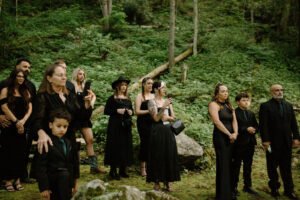 Cost is only part of the picture. Many couples choose small weddings because they want the day to feel like the day they planned. With fewer guests, there’s time for real conversation, and no one feels like background. The ceremony carries more emotional weight. The meal feels like a gathering rather than a production. The couple can stay present instead of being pulled in every direction.
A large wedding can be joyful. It can also be exhausting. A small wedding gives couples a chance to slow down and actually inhabit the day they created.
When couples weigh small wedding vs traditional wedding cost, the emotional return is often what tips the decision.
When a Traditional Wedding May Be Worth the Cost
A traditional wedding is the right choice if you have a large family, a wide social circle, cultural expectations that matter to you, or a genuine desire for a full-room celebration. Some couples love that energy. Some families hold it as a meaningful tradition. If that’s true for you and the budget supports it, a traditional wedding can be worth every dollar. The key is being honest about what you actually want — not what outside pressure has decided for you.
When a Small Wedding Is the Stronger Financial Choice
A small wedding makes the most financial sense when the goal is to stay focused, reduce the planning burden, and spend more intentionally on what matters. Couples are drawn to small weddings when they care more about the setting than the headcount, more about the quality of the experience than the scale of the production, more about being present in the ceremony than managing a complex event. In the mountains, that often means choosing a private property where the atmosphere is already there — waterfall, forest, creek, stone — and the day can move at its own pace without pressure.
Understanding small wedding vs traditional wedding cost isn’t just a budget exercise — it’s a way to figure out what kind of day actually fits your life.
Why Small Weddings Work So Well in North Carolina
North Carolina offers an unusually wide range of settings for small weddings — mountains, waterfalls, forests, farms, vineyards, historic towns, and private retreats. Western North Carolina is especially well-suited for intimate ceremonies. The Asheville and Hot Springs area reads as a destination without asking guests to travel across the country.
At Weddings Over Waterfalls, the property was created for couples who want a small wedding surrounded by nature. Waterfalls, forest paths, moss-covered stone, creekside spaces, and evening light create an immersive atmosphere without needing a large guest list or heavy decoration. You can see the setting in our gallery.
A ceremony at Windows & Weddings Over Waterfalls, Hot Springs NC
Final Thoughts on Small Wedding vs. Traditional Wedding Cost
The biggest distinction in small wedding vs traditional wedding cost isn’t the final number — it’s the way the money is spent and what it’s spent on. A traditional wedding spreads the budget across a larger crowd and a more complex event structure. A small wedding lets couples concentrate that budget on fewer people, a more present atmosphere, and the parts of the day that are hardest to manufacture.
For some couples, a large wedding is genuinely worth it. For others, a smaller day creates more meaning, more flexibility, and far less financial pressure. The right choice is the one that fits the life you’re actually building together — not the one shaped by someone else’s expectations.
Sources and Planning Resources
- Zola: Average Cost of a Wedding in 2026
- Zola: 2026 Wedding Trends and Average Cost
- WeddingWire: Wedding Cost Guide
- The Knot: Average Wedding Cost
Not Getting Married Here? You Can Still Experience It
Even if you choose a different venue, you can still experience the waterfalls, forest, and privacy of the property through a stay at Windows Over Waterfalls.
Plan a Romantic Getaway Instead
Airbnb designates this as a top 10% home — their designation, not ours · Guest Favorite · Superhost
What Airbnb Guests Are Saying
★ 4.97
254 Five-Star Reviews
Read the reviews there, then book direct here and skip Airbnb’s guest service fee.
As of October 2026 — and still growing.