
A destination wedding in the mountains works for a specific reason: the landscape is already doing something before anyone arrives. The elevation, the tree cover, the sound of water, the quality of light at altitude — these things create atmosphere that a traditional venue would need to manufacture through decor, lighting, and infrastructure. In a mountain setting, the environment provides it inherently.
That’s the core appeal. But planning a destination wedding in the mountains involves a distinct set of decisions — which region, which type of venue, what the logistics look like for guests coming from a distance, and how to build a day that uses the setting rather than fights it. This guide works through each of those in order.
A ceremony at Windows & Weddings Over Waterfalls, Hot Springs NC
Step 1: Choose the Right Mountain Region
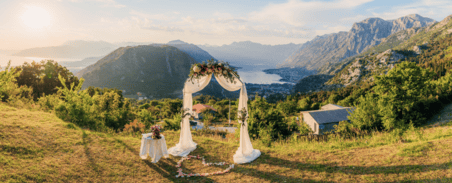
The mountain regions of the United States are genuinely different from each other — not just geographically but in character, accessibility, and what kind of wedding they support best. Understanding those differences before you start comparing venues will save significant time.
The Rockies and Sierra Nevada offer dramatic scale — high elevation, snow-capped peaks, wide alpine landscapes, and a sense of genuine wilderness. Venues here tend toward luxury resorts and wilderness lodges. The tradeoff is altitude: guests unaccustomed to elevation need time to acclimate, and some remote venues require specialized vehicle access. A destination wedding in the mountains at high elevation is genuinely beautiful and genuinely demanding to plan.
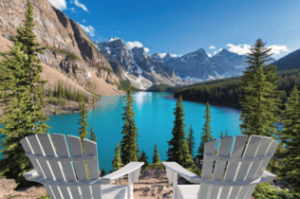
The Blue Ridge and Southern Appalachians — Western North Carolina, East Tennessee, Southwest Virginia — offer a different register. Lower elevation, denser forest, waterfalls and creeks, misty ridgelines, and a softer version of mountain drama. This region has become one of the strongest concentrations of intimate mountain wedding venues in the country, particularly for elopements and micro weddings. Accessibility is significantly easier than the Rockies — most venues are on paved roads, airports are within an hour or two, and accommodation options are well-developed.
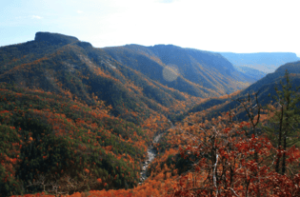
The Adirondacks and New England ranges bring alpine lake settings, historic character, and genuinely four-season landscapes. The Pacific Northwest ranges — the Cascades and Olympics — combine dramatic volcanic terrain with old-growth forest and moody, atmospheric conditions that photograph extraordinarily well.
The right region depends on what you’re trying to create. If you want seclusion and natural immersion with straightforward guest logistics, the Southern Appalachians are worth prioritizing. If you want scale and drama and guests who will genuinely make a destination trip of it, the Rockies or Pacific Northwest may be the stronger fit. The Blue Ridge Mountains are also home to some of the most distinctive waterfall wedding venues in the country, which are worth understanding as a category before you narrow your search.
Step 2: Find the Right Venue

Once you’ve identified the region, the venue search has a different shape than it would for a local wedding. You’re working from a distance, evaluating spaces you may not be able to visit immediately, and often relying on photography and virtual tours more than you’d like.
A few things that matter more for a destination wedding in the mountains than they might locally:
What’s included in the price. Mountain venues vary enormously here — from bare sites where you source every vendor separately, to all-inclusive packages that bundle photography, officiant, florals, coordination, and lodging into a single experience. Planning a destination wedding from a distance is substantially easier when more of the coordination is handled by the venue. Our guide to all-inclusive wedding packages explains what that format typically covers and who it works best for.
Lodging integration. Venues where the couple — or guests — can stay on property change the texture of the day. The evening has room to settle. There’s no pressure to end things early and get on the road. For a destination wedding in the mountains specifically, the difference between a venue with on-site lodging and one without is significant. Our guide to wedding venues with lodging in NC covers this in more depth for the Western North Carolina region.
Local vendor relationships. A venue with an established vendor network — photographers familiar with the property’s light, caterers who know how to work in a mountain kitchen, coordinators who understand the logistics of the specific space — reduces the planning load considerably. Ask any venue you’re seriously considering who they work with regularly and whether they can make introductions.
Visit before you commit. Photos of destination wedding in the mountains venues are marketing. A site visit is information. Walk the property at the time of day your ceremony would happen. See where the light lands, understand the sound environment, assess how the space feels at your guest count. Couples who visit consistently report the experience of being in a place is different from anything they gathered remotely — usually better, occasionally clarifyingly wrong.
Your Mountain Wedding, Fully Handled
Private waterfall setting in Hot Springs, NC — photography, officiant, florals, coordination, and lodging all included. No vendor juggling required.
Step 3: Plan for Mountain-Specific Logistics
A destination wedding in the mountains introduces logistical considerations that a local wedding doesn’t have. Working through these early prevents them from becoming problems later.
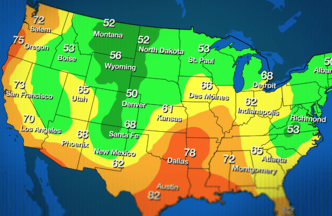
Weather and seasonality. Every mountain region has a distinct seasonal character — spring bloom, summer light, fall color, winter quiet and snow. Each season has genuine advantages and genuine complications. The key is understanding which season makes your chosen region and venue look and feel its best, then building your timing around that rather than around calendar convenience alone. Whatever season you choose, outdoor ceremonies require a real weather contingency — a named backup, with clear trigger conditions, that doesn’t significantly degrade the experience.
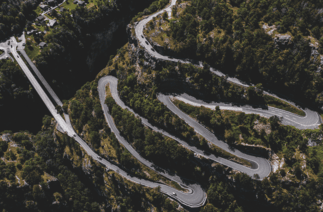
Guest travel and access. Some destination wedding in the mountains venues require navigating winding mountain roads. Provide specific written directions rather than just a GPS pin — cell signal can be limited, and GPS routing in mountain areas is sometimes wrong. If the venue is genuinely remote, shuttle coordination from a central meeting point is worth considering. For venues at higher elevations, give guests a heads-up about altitude adjustment — hydration, pacing, and arriving a day early if possible.
Accommodation logistics. Mountain towns fill up quickly during peak wedding seasons. If you’re planning a fall destination wedding in the mountains, particularly in popular regions like Western North Carolina, accommodation needs to be communicated to guests 9–12 months out. Provide a range of options at different price points — not everyone can or wants to stay at the same place — and consider whether block booking makes sense for your group size.
Hidden costs. Destination venues sometimes carry costs that don’t appear in the base venue fee — vendor travel fees, generator rentals for remote sites, shuttle costs, and the general overhead of coordinating from a distance. Our guide to hidden wedding costs covers the line items couples most commonly underestimate.
Step 4: Build the Guest Experience Deliberately
A destination wedding in the mountains asks guests to invest more than a local wedding does — travel, time, expense. The couples who handle this best treat the guest experience as something worth designing, not just accommodating.
That starts with communication. A wedding website with specific travel guidance, lodging recommendations at multiple price points, directions that account for what GPS misses, and suggestions for what to do in the area — all of this communicates that you thought about what the trip would be like for them, not just what the day would be like for you.
It extends to the area around the venue. Mountain regions typically have genuine attractions — hiking, scenic drives, local restaurants, breweries, waterfalls, small towns worth walking through. Sharing a short list of recommendations gives guests context for making a longer trip of it, which many will appreciate.
And it includes the venue itself. A mountain setting works best when guests have room to move through it — to explore, to spend time in the landscape, to experience the environment rather than sit in a fixed event configuration. Venues that allow for that kind of movement, particularly for smaller guest counts, tend to produce the most memorable experiences.
Our guide to questions to ask your wedding venue covers the practical side of this — what to ask about guest logistics, accessibility, and what the day actually looks like in operation.
A Mountain Waterfall Venue Worth Knowing
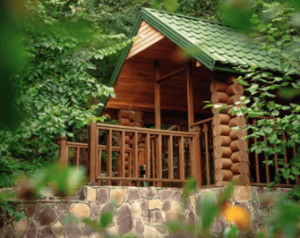
For couples drawn specifically to the Blue Ridge and Southern Appalachians for their destination wedding in the mountains, Weddings Over Waterfalls is a private property near Hot Springs, NC — about an hour from Asheville — designed specifically for elopements and micro weddings. The property runs along a creek with multiple waterfall ceremony sites, forest clearings, and elevated spaces above the falls. On-site lodging is included, and packages range from venue-only to fully all-inclusive.
It’s one of the more deliberately designed venues in the region for couples who want the mountain environment to be the experience rather than the backdrop. You can review pricing and packages at the pricing page, or read the comparison of micro weddings vs. elopements if you’re still working out the right format.
For couples looking at the broader range of unique destination options, our guide to finding unique wedding destinations in the US covers the full decision framework.
Not Getting Married Here? You Can Still Experience It
Even if you choose a different venue, you can still experience the waterfalls, forest, and privacy of the property through a stay at Windows Over Waterfalls.
Plan a Romantic Getaway Instead
Airbnb designates this as a top 10% home — their designation, not ours · Guest Favorite · Superhost
What Airbnb Guests Are Saying
★ 4.97
254 Five-Star Reviews
Read the reviews there, then book direct here and skip Airbnb’s guest service fee.
As of October 2026 — and still growing.