

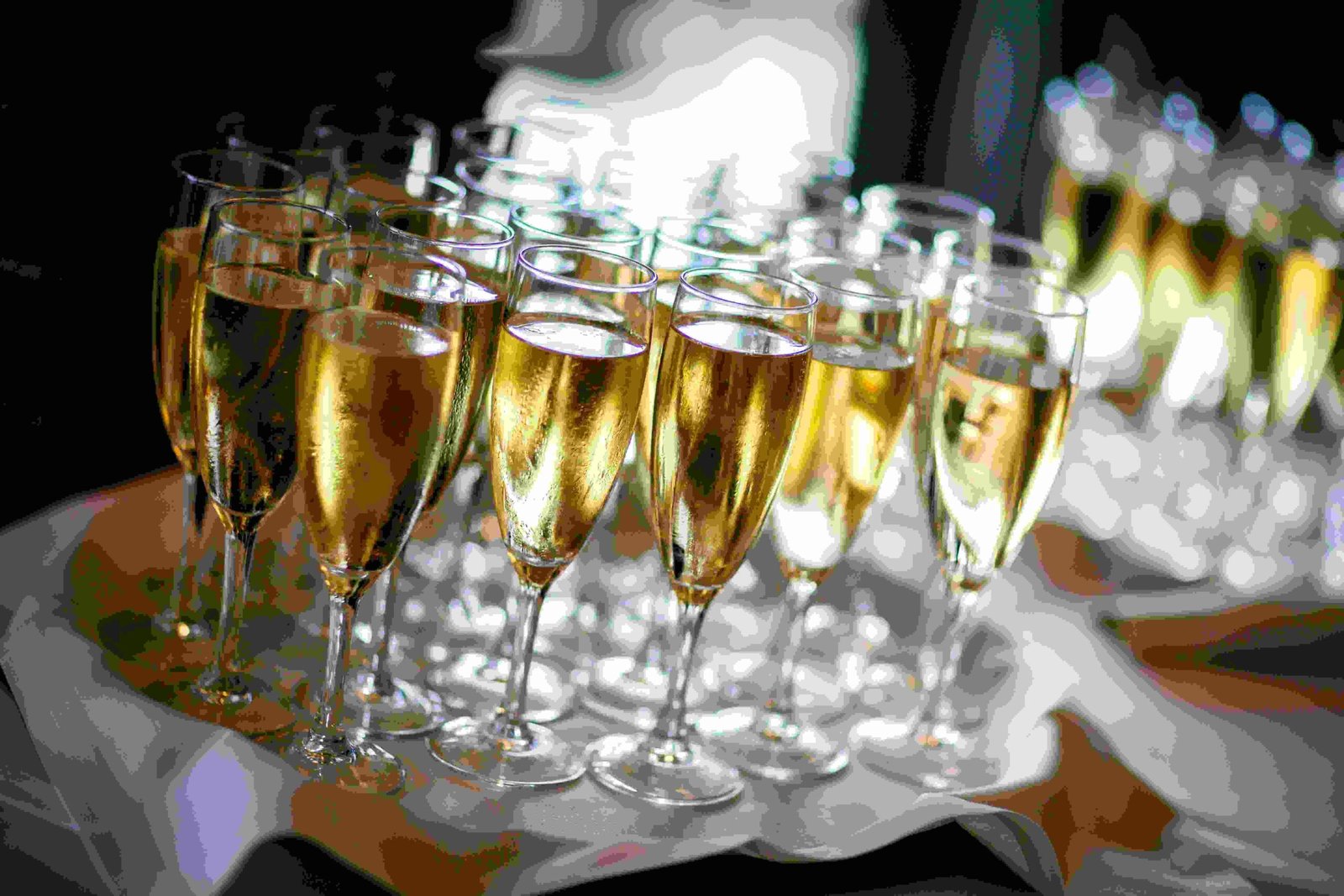
The best way to serve alcohol at a wedding depends less on what’s trending and more on what actually fits your event — the size, the setting, the guest list, and how much of the evening you want organized around drink service versus everything else happening that day.

This guide covers the main bar formats available, how to choose the right types of alcohol, how to estimate quantities, and how to handle service — whether you’re working with a professional bartender or building something more informal. It’s written for couples planning smaller, more deliberate celebrations, but the framework applies regardless of scale.
Why Bar Format Matters More Than Selection
Most couples spend their energy choosing what to serve — which wines, which spirits, whether to do a signature cocktail — before they’ve settled on the format that will shape everything else. The format comes first. A full open bar has different staffing requirements, different inventory needs, and a different feel than a curated beer-and-wine selection or a specialty station.
Getting the format right means fewer decisions downstream, less waste, and a bar experience that actually fits the rhythm of the day rather than competing with it.
Bar Format Options for Weddings
Full Bar
A full bar offers the complete range — spirits, wine, beer, and mixers — with guests able to order whatever they want for the duration of service. It’s the most flexible option and generally the most expensive. It requires a trained bartender, sufficient inventory, and enough service infrastructure to handle volume without long waits.
For larger weddings with longer receptions, a full bar often makes sense. For intimate celebrations of twenty or thirty guests, it’s frequently more than the event requires — and the cost reflects that.
Limited Bar
A limited bar typically includes beer, wine, and one or two signature drinks. It reduces inventory complexity, lowers cost, and often produces a more cohesive guest experience than a full bar would. Guests aren’t overwhelmed with options, service stays cleaner, and the drinks you do offer can be chosen with more care.
For micro weddings and elopements, a limited bar is often the best fit. The intimacy of a smaller event tends to work better with a considered selection than with a full back bar.
Specialty Stations
A specialty station — a champagne bar, a craft beer selection, a single well-made cocktail served tableside — focuses the entire drink experience around one idea. It can be more memorable than a generic open bar, costs less to set up, and gives couples an opportunity to incorporate something that means something to them specifically.
A champagne station with a few sparkling options and simple mixers, a small selection from a local brewery, or a cocktail built around a shared memory — these create a more deliberate experience than a full bar often does, at a fraction of the cost.
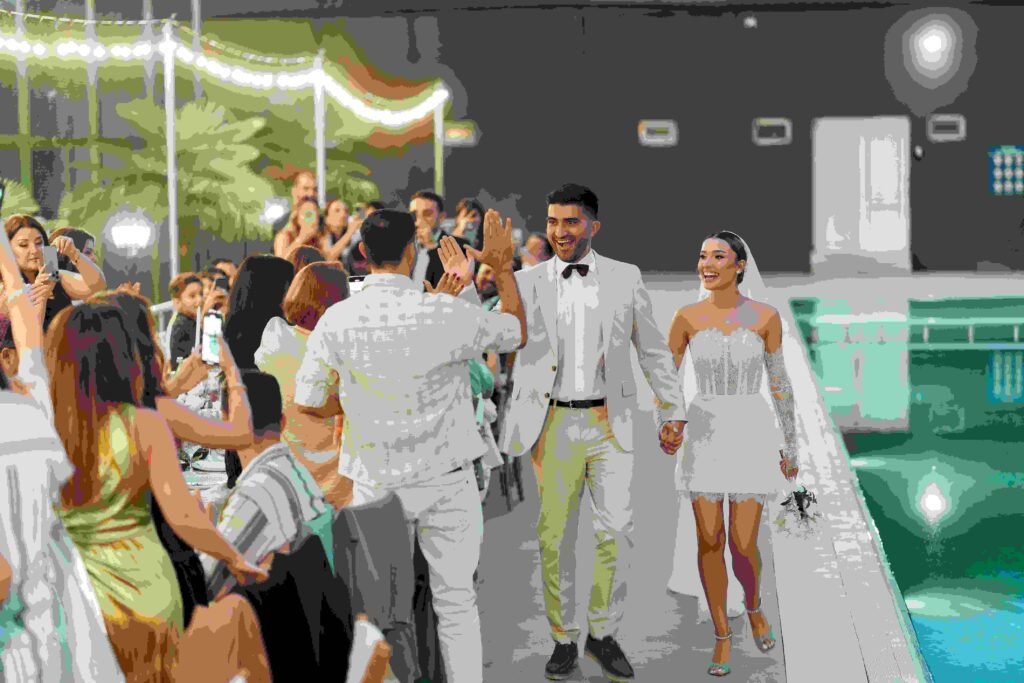
For couples considering whether eloping simplifies this decision entirely, the guide on cutting wedding costs by eloping covers what changes — and what stays the same — when the guest list shrinks significantly.
Choosing the Right Types of Alcohol
Start With Your Guest List
The best starting point is an honest read of who’s actually coming. A crowd that skews toward wine drinkers doesn’t need a full spirit selection. A group that leans toward craft beer might be better served by a carefully chosen four-pack of local options than by a generic open bar.
Think about the event’s demographic honestly — not what you think guests expect, but what you know they actually enjoy. That read will shape your selection more usefully than any general formula.
Match the Setting and Season
The setting matters. An outdoor waterfall ceremony in the mountains calls for something different than a formal ballroom reception. Lighter options — crisp whites, rosé, lower-alcohol cocktails — tend to fit outdoor afternoon events well. Warmer, fuller drinks make more sense for evening or cool-weather celebrations.
Seasonal ingredients in a signature cocktail are an easy way to make the drink feel specific to the day — a late summer herb, a fall spice, a winter citrus. The guide to unique wedding destinations touches on how setting influences these decisions in ways couples don’t always anticipate before they’ve chosen a venue.
Include Non-Alcoholic Options
Non-alcoholic options aren’t an afterthought — they’re part of the service. A mocktail version of your signature drink, a selection of sparkling waters, quality sodas, iced tea, and coffee service toward the end of the evening make guests who don’t drink feel as considered as everyone else. Displaying these options alongside the rest of the bar — not tucked away at a separate table — is a small detail that makes a real difference.
How to Estimate the Amount of Alcohol You’ll Need
The standard planning estimate is one drink per guest per hour. For a four-hour reception with fifty guests, that’s roughly 200 drinks — though consumption patterns vary significantly depending on the time of day, the food service, and the guest mix.
For a full bar, a common distribution is approximately 50% beer, 30% wine, and 20% spirits. For a limited bar focused on beer and wine, allocate the majority of your total count there and adjust based on what you know about your guests’ preferences.
If you’re offering a signature cocktail, build in the ingredients for that separately and factor in a slightly higher consumption rate — people tend to try a cocktail they’ve heard described before the event even starts. The Knot’s bar stocking calculator is a useful tool for working through the numbers by drink type and guest count.
Always plan for slightly more than your estimate. Running out of a drink mid-reception is more disruptive than having a small amount left over.
Creating a Signature Cocktail
A signature cocktail is one of the most effective ways to make bar service feel personal without adding significant cost or complexity. The best ones are simple — a spirit the couple enjoys, a seasonal element, a garnish that fits the setting — described briefly on the menu so guests understand what they’re getting.
If you’re working with a professional bartender, involve them in the development. They’ll know what holds up under volume, what batches well, and what garnishes are practical at scale. A drink that’s easy to make consistently is more valuable at an actual event than something elaborate that slows service when guests are waiting.
Display it clearly — at the bar, on a small menu card, or mentioned by the officiant during the toast transition. The cocktail only works as a personal touch if guests know it’s there.
Professional Bartender vs DIY Bar Setup
A professional bartender brings pace, judgment, and accountability to drink service. They manage consumption without being heavy-handed, handle requests efficiently during the busiest windows of the evening, and free the couple and their families from monitoring anything related to the bar. For events with more than thirty or forty guests, professional service is generally worth the cost.
A DIY setup works well for smaller, more informal gatherings — particularly outdoor ceremonies where the drink service is intentionally low-key. A self-serve station with clear signage, good ice management, and a few designated people keeping things organized can run cleanly for twenty or fewer guests. The key is not underestimating the logistics: enough glassware, enough ice, a clear restocking plan, and someone whose actual job for the evening is keeping the station functional.
Check your venue’s policies before making this decision. Some states require that alcohol be served by a licensed professional, regardless of event size or format. Ask the question before you plan around an answer you’re assuming.
Responsible Service
Food service and bar service are connected. Guests drink more slowly and more moderately when food is available throughout the event — not just during a cocktail hour, but across the reception. Keeping appetizers and light bites circulating during the bar’s peak hours is one of the most effective ways to manage consumption without restricting service.
Transportation planning deserves explicit attention. Arranging shuttles, sharing ride-share information with guests ahead of the event, or designating a point person for end-of-night logistics removes uncertainty from the close of the evening. The National Highway Traffic Safety Administration offers guidance on alcohol service and event liability that’s worth reviewing if you’re uncertain about your venue’s coverage or your own exposure as a host.
If bar service is one of the costs you’re trying to get ahead of, the breakdown of hidden wedding costs covers where alcohol service tends to generate surprise expenses — from corkage fees to service charges that aren’t always visible in initial quotes.
Presentation and Display
How the bar is presented shapes how guests experience it before they’ve ordered anything. A well-organized station with clear signage, visible options, and thoughtful display communicates that the service was planned with care. Themed glassware, a small menu card, a consistent garnish presentation — these details are low-cost and high-impact.
For outdoor or nature-based settings, simpler often reads better. A wooden surface, minimal signage, local elements in the display — these fit the atmosphere of a waterfall or mountain ceremony more naturally than a formal bar setup would. The environment is already doing significant work; the bar display should complement it rather than compete.

For couples still in the venue selection phase, the guide to waterfall wedding venues in NC covers how different venue types affect bar service logistics — including what outdoor settings require that indoor venues handle automatically.
What the Best Bar Setup Actually Looks Like
The best way to serve alcohol at a wedding is the format that fits the event you’re actually having — not the one you think a wedding is supposed to have. For an intimate outdoor ceremony with twenty guests and a two-hour window, a curated beer-and-wine selection with a single signature cocktail is often more effective than a full open bar. For a larger evening reception, the calculus shifts.
Start with the format. Then choose what fits that format. Then plan service around what you’ve chosen. The couples who handle this well make the bar feel like a considered part of the day rather than a default obligation — and that distinction shows in how guests experience it.
Not Getting Married Here? You Can Still Experience It
Even if you choose a different venue, you can still experience the waterfalls, forest, and privacy of the property through a stay at Windows Over Waterfalls.
Plan a Romantic Getaway Instead
Airbnb designates this as a top 10% home — their designation, not ours · Guest Favorite · Superhost
What Airbnb Guests Are Saying
★ 4.97
254 Five-Star Reviews
Read the reviews there, then book direct here and skip Airbnb’s guest service fee.
As of October 2026 — and still growing.