


 Knowing how to pick a wedding planner is less about finding someone who’s organized — most planners are organized — and more about finding someone who understands what you’re actually trying to build. The couples who feel let down by their planners usually didn’t hire the wrong profession. They hired the wrong person for their specific kind of day.
This guide covers what planners actually do, how to figure out what level of help you need, and what to look for when you’re evaluating someone to trust with a day that only happens once.
What a Wedding Planner Actually Does
The job varies significantly depending on what you hire. A full-service planner is involved from the beginning — helping you select vendors, build a budget, manage the timeline, and coordinate everything leading up to and including the wedding day. You’re hiring their relationships, their experience with what goes wrong, and their ability to hold a complicated moving system together so you don’t have to.
A day-of coordinator (sometimes called a month-of coordinator) steps in later. You’ve done the planning — they execute it. They confirm vendors the week before, run the ceremony and reception timeline, handle problems as they come up, and make sure the day you built actually runs the way you designed it.
A partial planner sits between the two — they’ll manage specific pieces, like vendor sourcing or budget tracking, while you handle the rest. Useful if you want professional support in one area without handing off the whole project.
Before you start looking, decide which of these actually fits your situation. Most couples who feel overwhelmed by planning need a full-service planner and hire a day-of coordinator instead to save money — then spend the months before the wedding doing the full-service work themselves, unprepared for what it involves.
When You Might Not Need a Planner at All
 If you’re planning a micro wedding or elopement, the math on hiring a planner changes. Smaller guest counts mean shorter vendor lists, simpler timelines, and far less coordination overhead. A 20-person waterfall ceremony in the NC mountains doesn’t have the same logistical surface area as a 150-person ballroom wedding.
All-inclusive packages at venues like Weddings Over Waterfalls already include a coordinator — someone who knows the property, has relationships with every vendor in the package, and manages the day-of timeline as part of what you’ve booked. If you’re considering a fully bundled wedding package, you may be paying for coordination twice if you also hire an external planner.
The question worth asking before you start interviewing planners: what specifically do I need help with? If the answer is “all of it,” you need a planner. If the answer is “just the day itself,” a day-of coordinator is probably enough. And if you’re working with an all-inclusive venue, check what’s already covered before adding another layer of coordination.
How to Find Planners Worth Talking To
Start with your venue. Most venues have worked with a range of planners and can tell you honestly which ones understand how the property operates, communicate well, and show up prepared. A planner who has never worked at your venue — or in your area — may be technically skilled but missing the local knowledge that makes coordination smoother.
Word of mouth from recently married couples is still one of the most reliable filters. Not because online reviews are dishonest, but because someone who planned a wedding similar in size and style to yours can give you specific, useful feedback that review sites can’t.
For a broader search, The Knot and WeddingWire are the main directories. Look at portfolios first — you’re assessing aesthetic fit before you evaluate anything else. If their past work doesn’t resonate with the kind of day you’re imagining, the conversation probably won’t either.
What to Ask When You Meet
Knowing how to pick a wedding planner means knowing what to listen for in these conversations, not just what to ask. Here are the questions that surface the most useful information:
How many weddings do you take on per year, and per weekend? A planner taking 40 weddings a year may be stretched thin by the time yours arrives. Some couples are fine with that tradeoff for a lower price. Others aren’t. Know which you are before you ask.
Have you worked at our venue before? If yes, what do you know about how it operates? If no, are you willing to do a site visit before the wedding? A planner walking your ceremony site for the first time on the day of is a problem.
Who actually shows up on the wedding day? Some planning companies send a different coordinator than the one you’ve been working with. That’s not necessarily a dealbreaker, but you should know before you sign.
How do you handle vendor conflicts or day-of problems? You’re looking for specific examples, not reassurances. Anyone can say they stay calm under pressure. Ask them to tell you about a specific thing that went wrong and how they handled it.
What does your communication process look like between now and the wedding? How often will you hear from them, through what channel, and what’s the expected response time? Miscommunication during planning is usually the source of the problems that show up on the day.
What the Contract Should Cover
Before you sign anything, the contract should clearly spell out the scope of services — exactly what’s included and what isn’t. If vendor coordination is in scope, which vendors? If timeline creation is included, how far in advance? If they’re providing day-of coordination, what time does their coverage start and end?
Payment terms should be explicit. Most planners require a deposit upfront and the remainder closer to the wedding date. Understand the cancellation policy — both what happens if you cancel and what happens if they do.
Ask whether there are additional fees for anything that might come up — overtime on the day, additional vendor calls, travel to a venue outside their normal area. Surprises in a contract are a sign of a planner who isn’t organized about their own business, which is not a reassuring signal for someone managing yours.
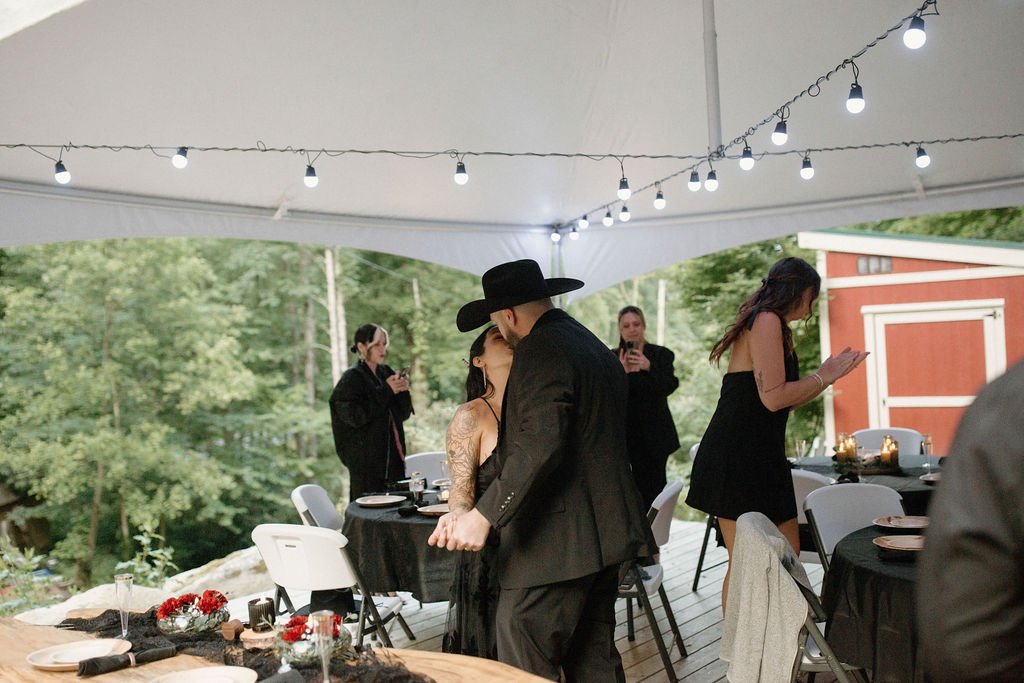
A ceremony at Windows & Weddings Over Waterfalls, Hot Springs NC
The Question Most Couples Don’t Ask
After you’ve covered logistics, ask this: what do you think couples most often get wrong when they’re planning a wedding at this scale? A good planner will have a direct, specific answer. They’ve seen enough weddings go sideways in predictable ways that this question should be easy for them. If the answer is vague or too reassuring, that tells you something.
You’re also listening for whether they push back. A planner who agrees with everything you say isn’t doing you any favors. Part of what you’re paying for is perspective — someone who has seen the thing you’re about to do dozens of times and can tell you honestly where the friction tends to appear. That requires a planner who’s willing to say something you might not want to hear, which is exactly the kind of person you want in your corner on the day itself.
How to Know You’ve Found the Right One
Knowing how to pick a wedding planner ultimately comes down to two things: do they understand what you’re building, and do you trust them to handle it when you can’t? The first shows up in the initial conversation — whether they’re asking the right questions about your vision or running through a standard intake script. The second shows up in the references, the contract, and the specific way they describe handling problems.
If both of those land well, you’ve found someone worth working with. The right planner doesn’t just manage logistics — they hold the shape of the day steady when the unexpected happens, which it usually does, and they do it in a way you never have to notice.
For couples still deciding on the format and scale of the day, the questions to ask your wedding venue and the guide to planning a small wedding are useful places to start before committing to a planner. And if you’re weighing whether a fully coordinated venue package might be the right fit instead, the all-inclusive packages at Weddings Over Waterfalls are worth a look.
Not Getting Married Here? You Can Still Experience It
Even if you choose a different venue, you can still experience the waterfalls, forest, and privacy of the property through a stay at Windows Over Waterfalls.
Plan a Romantic Getaway Instead
Airbnb designates this as a top 10% home — their designation, not ours · Guest Favorite · Superhost
What Airbnb Guests Are Saying
★ 4.97
254 Five-Star Reviews
Read the reviews there, then book direct here and skip Airbnb’s guest service fee.
As of October 2026 — and still growing.